
Slow Website? The Most Common Causes

A slow website can quickly become a problem. Visitors often leave a page after just a few seconds if content does not load fast enough. At the same time, loading speed also affects visibility on Google and can negatively impact inquiries, sales, and the overall user experience.
How to Protect Your Website: 8 Essential Security Measures
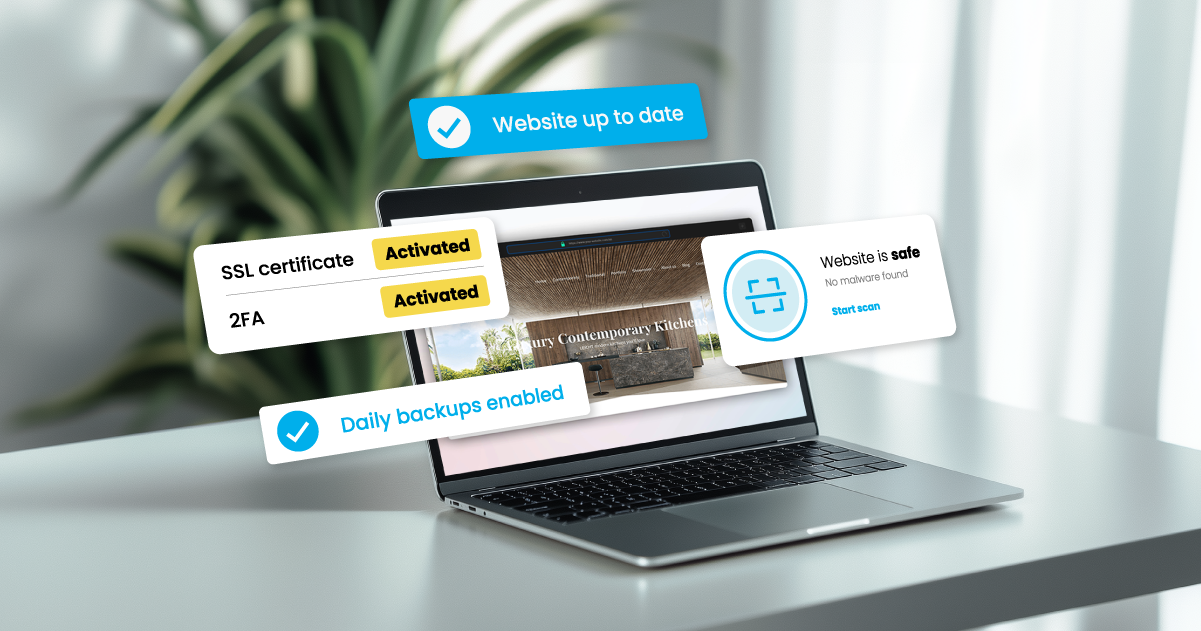
Websites are targeted by attacks more often than you might think – not just large corporations, but also small businesses, personal blogs, and portfolios. Weak passwords, outdated plugins, or unprotected forms often provide an easy entry point for attackers.
This is how Office Mail improves your teamwork

Efficient communication and seamless collaboration are essential for businesses. However, in many companies, the daily routine consists of an overwhelming flood of emails, scattered document versions, and endless meetings. Office Mail brings structure to this workflow and makes collaboration easier, faster, and more productive.
Tips for Multilingual Websites

You want to create a multilingual website but don't know where to start? Simply translating the content is not enough…
WordPress Staging: The Secure Testing Environment

Major updates, new plugins, or a complete design overhaul – before making these changes live, it’s essential to ensure everything works perfectly. This is where a staging environment comes into play: a secure space where you can optimize your WordPress site and detect potential issues early on.
How Does Google Indexing Work?

Have you ever thought about how your website seems to be pulled out of a hat when someone enters your keywords into Google? Unravel the mystery and delve into the world of Google's indexing process.
Caching & Cookies: We Open the Cookie Jar

Take a look in our cookie jar and find out how cookies and caching on the internet lead to faster loading times!
PHP Explained Simply

PHP is the most widely used scripting language worldwide and is used by more than 75 percent of all websites. For example, PHP is used for a contact form on your website. PHP checks the website visitor's input for completeness and then sends the contact form as an e-mail.